Donate
Our Story
Our Work
SIRC
VOICE Centre
Research
Academics and Training
Community Awareness
International Conference
Other Projects
Disaster and Emergency Response
News & Events
Publication
Newsletter
Reports
Brochure and Flyer
Get Involved
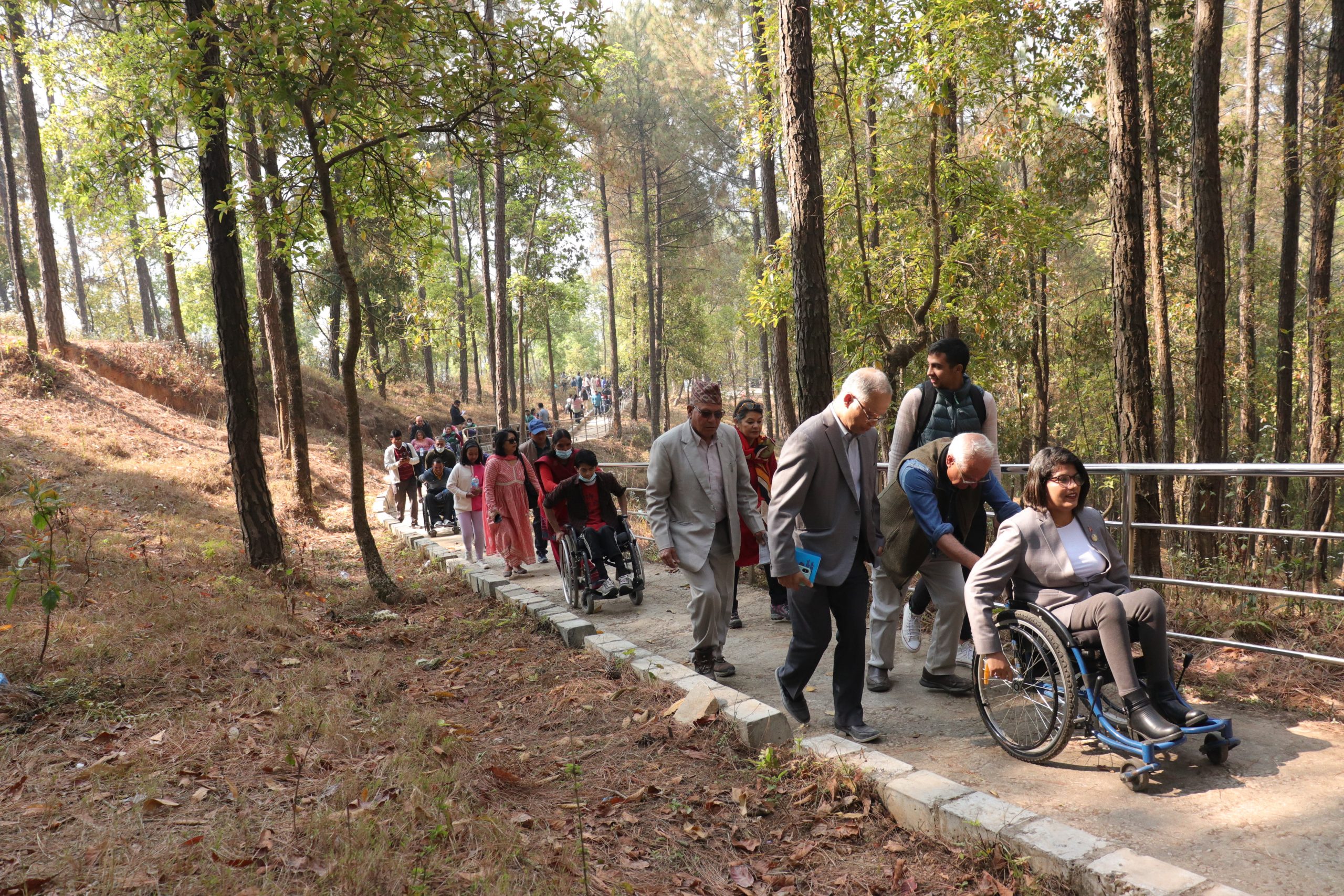
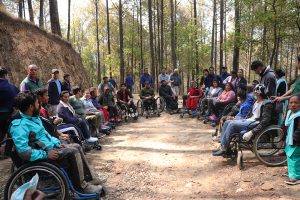
“Wheeltrek Trail” at Kavre
A initiation for Accessible Tourism
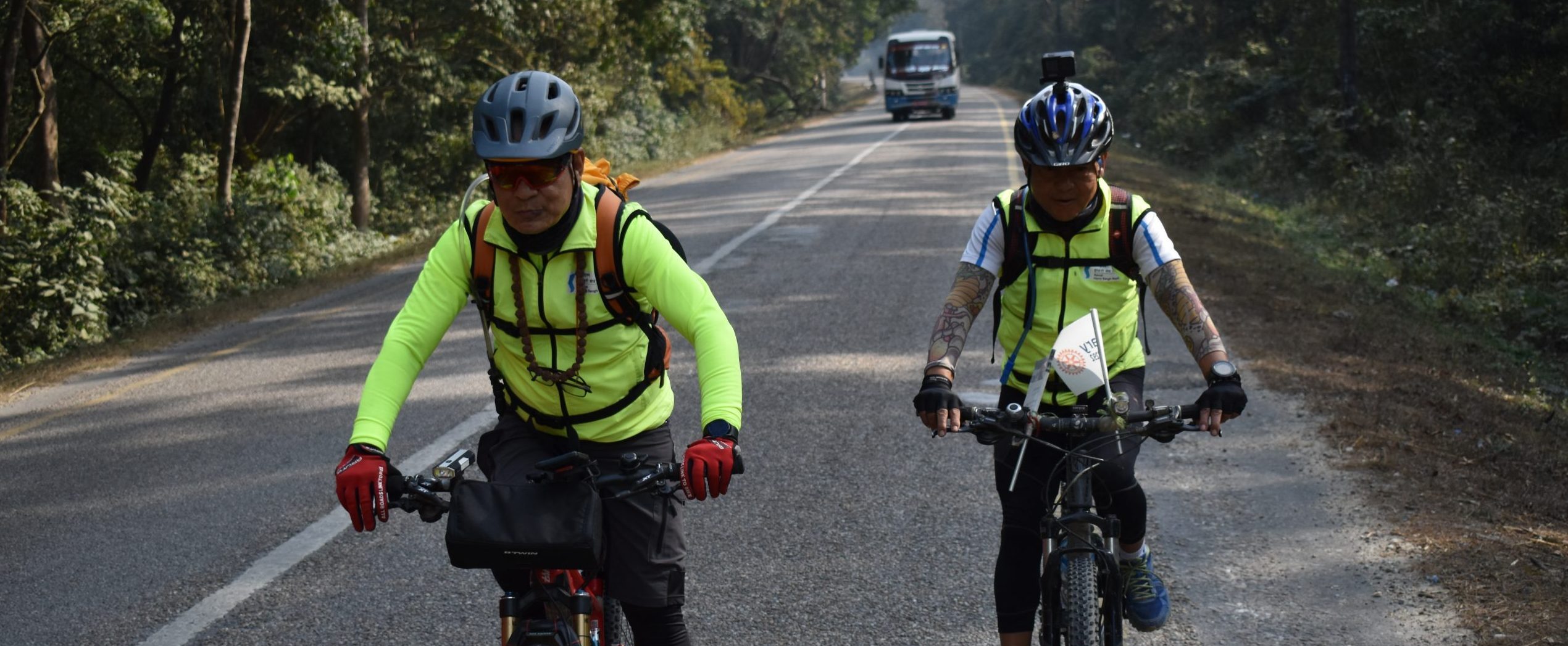
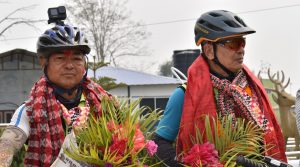
Mechi Mahakali Bicycle Fundraiser 2024
Flying to cycling for wheelchairs
Our Work
Disaster and Emergency Response
Other Projects
International Conference
Community Awareness
SIRC
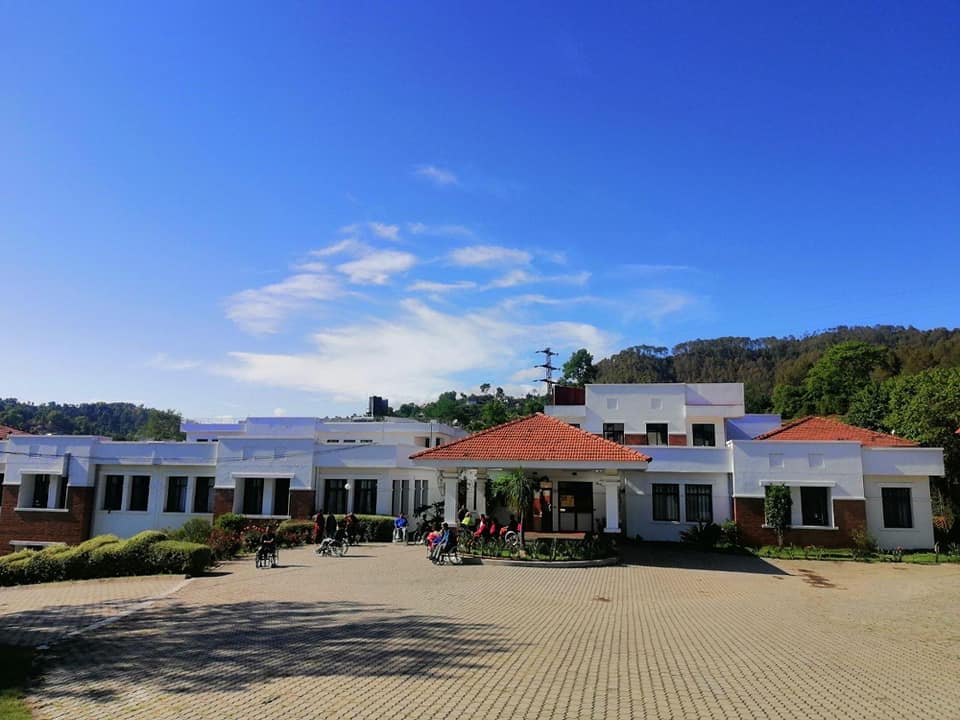
Spinal Injury Rehabilitation Centre is a 51 bedded nonprofit and a charitable rehabilitation centre registered with the Ministry of Health.
VOICE
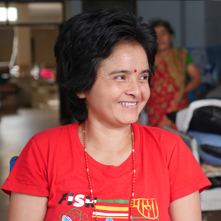
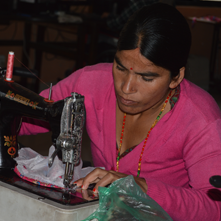
Vocational opportunity for Inclusion to Community and Employment (VOICE) is a project run by Spinal Injury Sangh Nepal (SISN) that offers vocational trainings to people with disabilities and their caretakers.
Research
SIRC Research Team conducts various research to get significant and practicable research outcomes in order to improve the quality of life of people with Spinal Cord Injury (SCI)
Training and Development
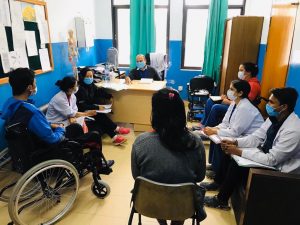
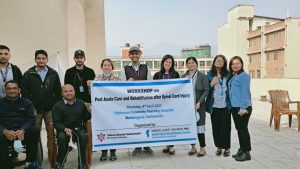
SIRC regularly offers one-day and three-day hands-on training courses for healthcare professionals throughout the country.
Beneficiaries
SIRC
April 2002 - July 2023
4039
Total In-patient
3756
SCI
283
TBI & Stroke
VOICE
April 2016 - May 2023
325
Total Trainee
104
Employment Orientation
125
Basic Sewing
29
Advance Sewing
32
Embroidery
35
Pickle Training
News and Events
16th International Wheelchair ...
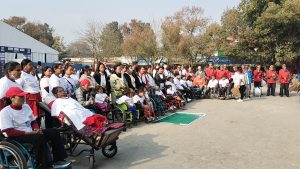
Mechi Mahakali Bicycle Fundrai...
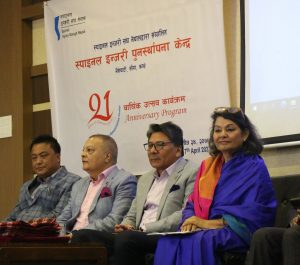
SIRC’s 21st Anniversary...
“Wheeltrek Trail” ...
Hands-on training on post acut...
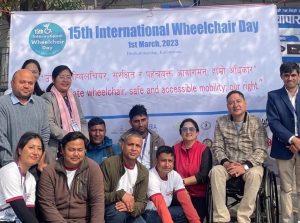
15th International Wheelchair ...
21st AGM...
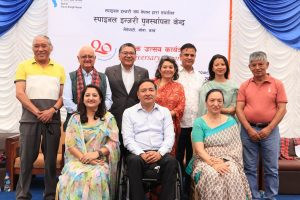
20 years of service...
Dhumdham ko Ghumgham-Charity e...
Booster dose of the COVID-19 v...